


Health Officials Issue Urgent Warning About Deadly Bat Virus After More Than 40 People Bitten in 2 Weeks
Health Officials Issue Urgent Warning About Deadly Bat Virus After More Than 40 People Bitten in 2 Weeks

Rachel RaposasTue, October 13, 2026 at 4:12 PM UTC
2
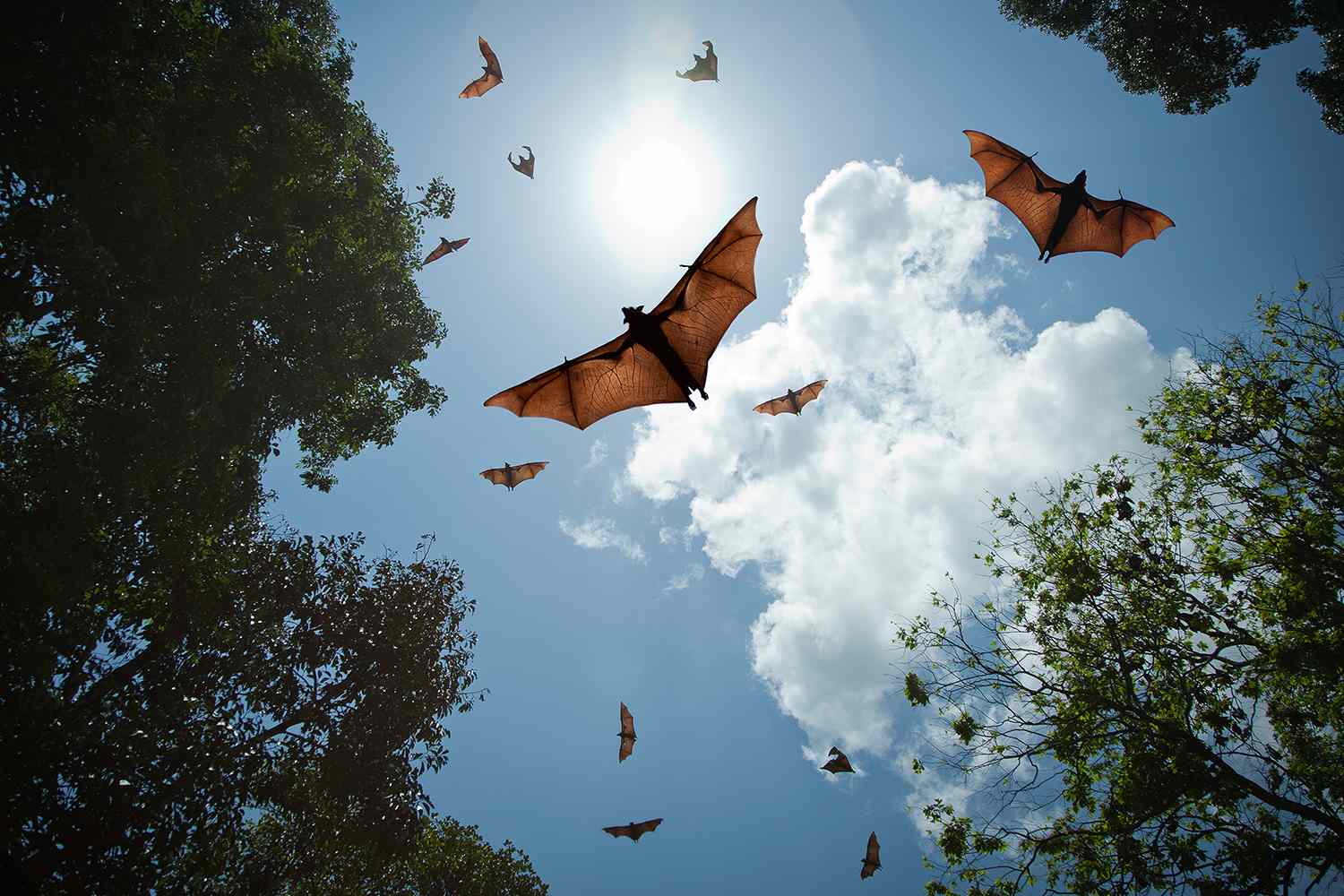
A group of bats flying (stock image).Credit: Getty -
43 people in New South Wales were bitten or scratched by bats in just two weeks
The increase is concerning due to the possibility of contracting Australian bat lyssavirus, which is “rare but fatal”
Health officials say exposure requires immediate medical care because treatment is ineffective once symptoms begin
Australians have been cautioned to be on high alert amid increased encounters with bats.
In just two weeks, 43 people in New South Wales were bitten or scratched by bats, NSW Health announced on Monday, Oct. 12 — more than quadruple the number of encounters reported during the same period last year. In the wake of the increase, NSW Health warned all residents to be vigilant and avoid any contact with bats.
The increase is especially concerning as any bats on the continent could transmit Australian bat lyssavirus, which has no known cure, according to the Australian Center for Disease Control. The virus causes a “rare but fatal” disease in humans, most commonly transmitted through a bat bite or scratch.
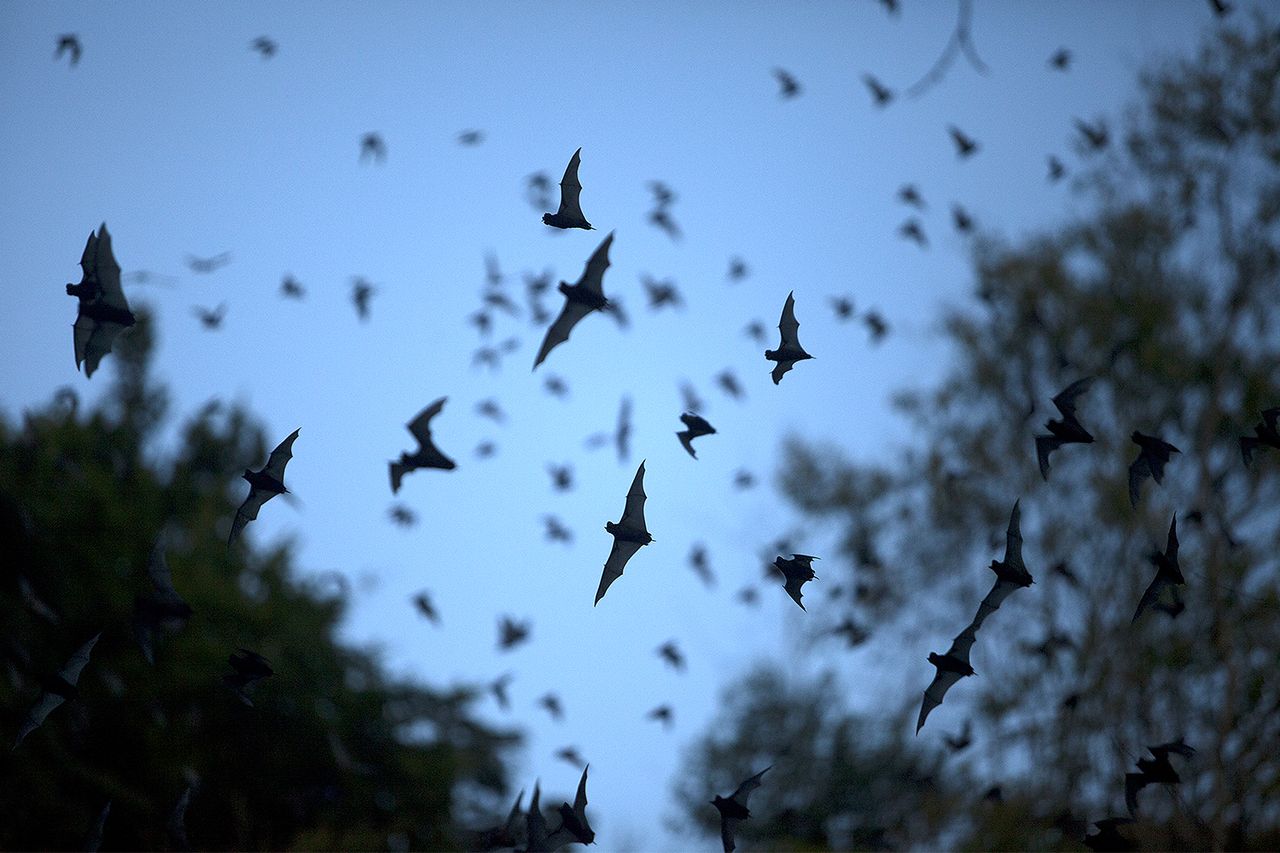
A group of bats flying (stock image).Credit: Getty
“We want people to assume that any bat could carry Australian bat lyssavirus, which is a close relative to the rabies virus and very dangerous to humans,” said Keira Glasgow, director of health protection at NSW Health.
She added, “It is incredibly rare for Australian bat lyssavirus to transmit to humans, but once symptoms of lyssavirus start in people who are scratched or bitten by an infected bat, sadly there is no effective treatment.”
According to the Australian Center for Disease Control, Australian bat lyssavirus often initially presents flu-like symptoms, including fatigue, fever, headache, loss of appetite or infection site reactions. The condition then progresses to also include paralysis, seizures and delirium.
Those who may have been exposed to the virus should not wait for symptoms to present and should immediately seek medical attention. Those who have had rabies vaccinations in the past are still at risk in case of an exposure, as they might need to receive extra doses to prevent contracting the virus.
Advertisement
After symptoms begin, the virus “usually causes death” within one to two weeks, the Australian CDC stated.
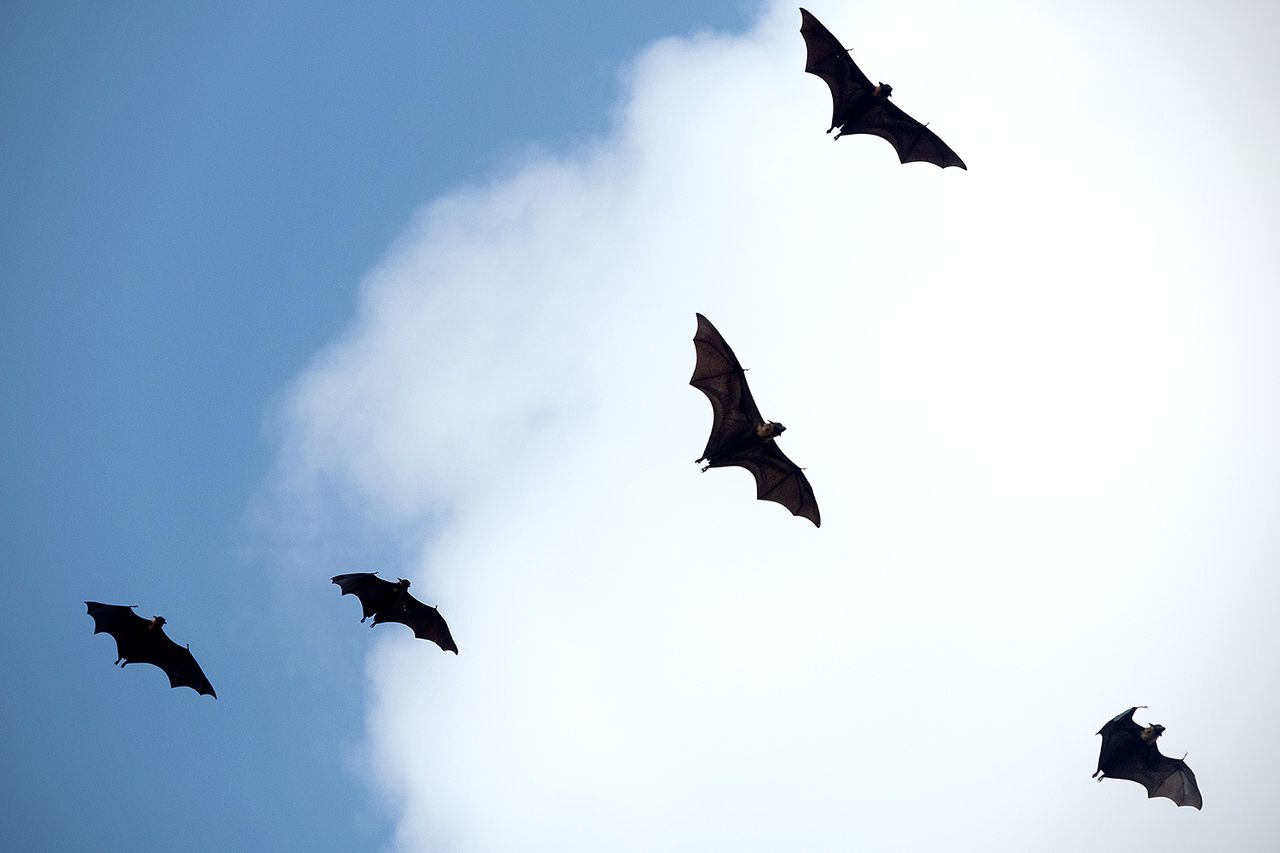
A group of bats flying (stock image).Credit: Getty
The increased prevalence of bat encounters in the region could be linked to food shortages, said Ingrid Emery, the executive director of conservation programs in the NSW Department of Climate Change, Energy, the Environment and Water (DCCEEW).
“During food shortage events, flying-foxes typically stay in feed trees during the day instead of returning to their larger colonies. Consequently, members of the community are seeing flying-foxes remaining in their backyard trees during the day,” she said, per NSW Health’s announcement.
— sign up for PEOPLE’s free daily newsletter to stay up-to-date on the best of what PEOPLE has to offer, from celebrity news to compelling human interest stories.
Emery added that the number of bat encounters will likely “return to normal” once food shortages are resolved. Until then, Glasgow said, it’s best to take measures to avoid any contact with bats.
“If you see a bat that is injured or in distress, call your local wildlife rescue service and do not touch it,” she said. “Only trained, protected and vaccinated wildlife handlers should interact with bats.”
on People
Source: “AOL Breaking”
