


Sweetener linked to heart attacks found in chewing gum
Sweetener linked to heart attacks found in chewing gum

Michael SearlesFri, August 28, 2026 at 1:11 PM UTC
6
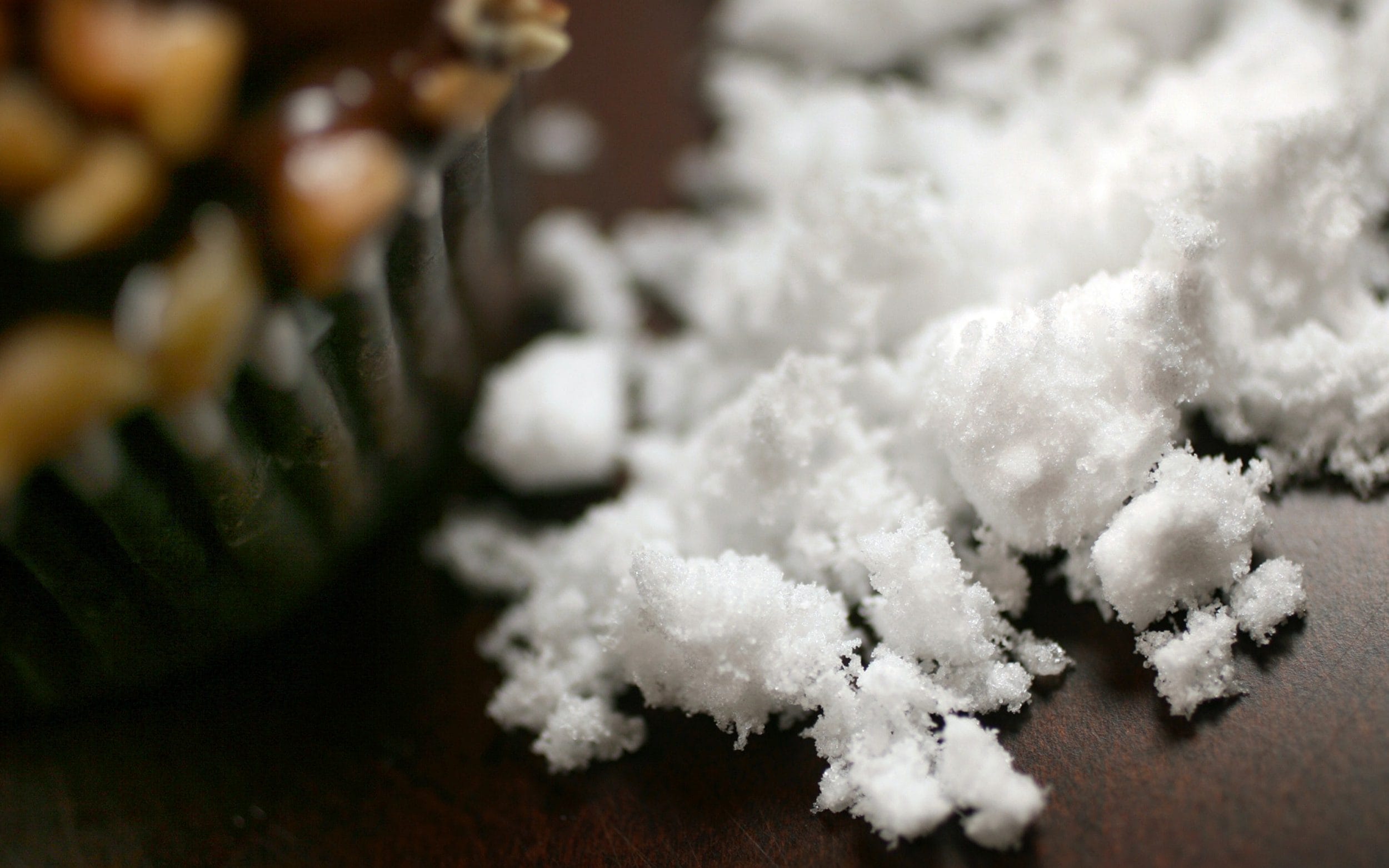
A common artificial sweetener has been linked to an increase in heart attacks, strokes and death.
Xylitol is often added to sugar-free chewing gum, mints, toothpaste and other no-sugar or low-calorie products such as ice cream, yogurt and jam.
However, its growing use has been linked to an increased risk of deadly heart conditions in the largest study of its kind.
The research, presented at the European Society of Cardiology (ESC) congress in Munich, found that the higher the level of xylitol a person had in their blood, the higher their risk of a major heart issue.
The study examined 17,710 people and compared the 25 per cent with the highest levels of xylitol in their blood, versus the 25 per cent with the lowest.
The findings revealed that those who had the highest amount were 57 per cent more likely to die or suffer a heart attack or stroke than those with the least within six years.
Even after 30 years, they were still 18 per cent more likely to have suffered one of these major cardiac events.
The experts said the trend was the same regardless of a person’s age, sex or whether they had a medical condition such as high blood pressure or diabetes.

Xylitol is a sugar alcohol that can be found naturally in some foods such as fruit, but in very low amounts.
However, it is increasingly being added to products in place of sugar to artificially sweeten them, often in 1,000 times greater quantity than found naturally.
Dr Marco Witkowski, study author from the Charité University Hospital, Berlin, said the results built on previous research that had found xylitol could “enhance the ability of platelets to form clots”.
Advertisement
“Artificial sweeteners are consumed by people who think they are healthier than sugar and they are generally regarded as safe by regulatory agencies,” he said.
“Our long-term findings in the general population highlight how little we know about the cardiovascular safety of xylitol and indicate that further studies are warranted, especially as the amount of xylitol in products continues to increase.”
‘Negative long-term effect’
Prof Dan Atar, an expert member of the ESC communication committee, said: “Artificial sweeteners are widely embraced by modern society, and the safety ratings had been good and granted by regulatory authorities.
“In this observational work, however, it appears that xylitol has a negative long-term effect on cardiovascular events in the general population.
“As with all observational studies, causalities are difficult to infer, but this work shows that further studies are mandated into this societally important topic.”
Dell Stanford, a senior dietitian at the British Heart Foundation, said: “Risks to our hearts build up over time and we need to ensure that what is being added to our food does not contribute.
“Artificial sweeteners such as xylitol are found in many foods and drinks, and people may assume they are the healthier choice, so consume more than they realise.
“This study adds to growing evidence that artificial sweeteners could have an impact on our health.”
Ms Stanford added: “It is important to note that this was an observational study, meaning it can only show an association between higher xylitol levels and cardiovascular events, rather than proving that xylitol directly caused them, and further research is needed. But it is not a green light to have more sugar instead, as we still need to reduce our sugar intake.
“This study is a reminder that we all need to reduce our intake of processed foods and drinks that are often high in sugar, salt or sweeteners, and focus on a balanced diet to help protect our hearts.”
Try full access to The Telegraph free today. Unlock their award-winning website and essential news app, plus useful tools and expert guides for your money, health and holidays.
Source: “AOL Breaking”
